


Bringing online protections for kids into the 2020s
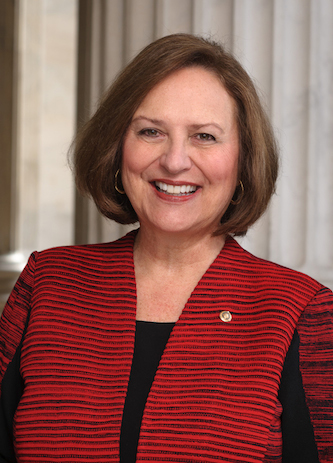
Sen. Deb Fischer
By U.S. Sen. Deb Fischer
R-Nebraska
In June, the Wall Street Journal published a sobering review of social media outlets’ content protections for teens. Studies found that Instagram pushed adult content on teen accounts within minutes of their creation. After less than 20 minutes clicking on Instagram Reels with adult themes, account feeds were “dominated” by explicit content.
Adult content is just one of many concerns parents have raised about social media. Experts link teen social media use to mental health issues, and social media platforms can be abused by predators looking to gain access to children. These are the reasons prominent Silicon Valley leaders privately set technology boundaries for their own kids, even while publicly promoting the same tech.
Despite public research about social media’s effects on kids and private concerns among tech experts, the last time the federal government passed legislation to protect kids online was in 1998 – six years before Mark Zuckerberg started Facebook and almost a decade before the iPhone was first released. But last week, 26 years later, the U.S. Senate took a historic, bipartisan step forward to protect children online.
On Tuesday, I voted yes on the Kids Online Safety Act (KOSA) and Children and Teens’ Online Privacy Protection Act (COPPA), along with the vast majority of my Senate colleagues. This pair of bills would take online protections for kids from the 1990s and bring them into the 2020s.
KOSA would create protections around how youth use social media. It would require platforms to enable the strongest privacy settings for kids by default, as well as provide minors with more privacy options. Critically, it would give parents new controls to protect their children and spot harmful behaviors. The bill would prevent the promotion of dangers like suicide and substance abuse to minors, and it would require independent research into how social media affects the wellbeing of teens and kids.
KOSA, which I cosponsored, also includes my legislative language to ban the use of misleading user interfaces online – known as “dark patterns” – that trick young users into consenting to disclose personal information.
COPPA, on the other hand, would strengthen online privacy protections, building on the first law of its kind from 1998. This bill would prohibit an online service or application from collecting personal information from users 13 to 16 without consent, and it would ban individual targeted advertising to children and teens. It would close loopholes, create new requirements to delete minors’ personal information, and prohibit the excessive collection of kids’ and teens’ data.
These bills are commonsense, bipartisan reforms that keep America’s children in mind. It’s not often that majorities of both Republicans and Democrats in the Senate enthusiastically agree on a legislative package. But lawmakers both Red and Blue agree: it’s decades past time for new online protections for our kids. I’m hopeful that the House will agree as well and that we can get this package signed into law soon – for the sake of America’s families, America’s children, and America’s future.
* * *
••• Publisher's note: A free press is critical to having well-informed voters and citizens. While some news organizations opt for paid websites or costly paywalls, The Highland County Press has maintained a free newspaper and website for the last 25 years for our community. If you would like to contribute to this service, it would be greatly appreciated. Donations may be made to: The Highland County Press, P.O. Box 849, Hillsboro, Ohio 45133. Please include "for website" on the memo line.