UPDATED II: Sonner Church representatives seek answers to failing infrastructure
By Rory Ryan
The Highland County Press
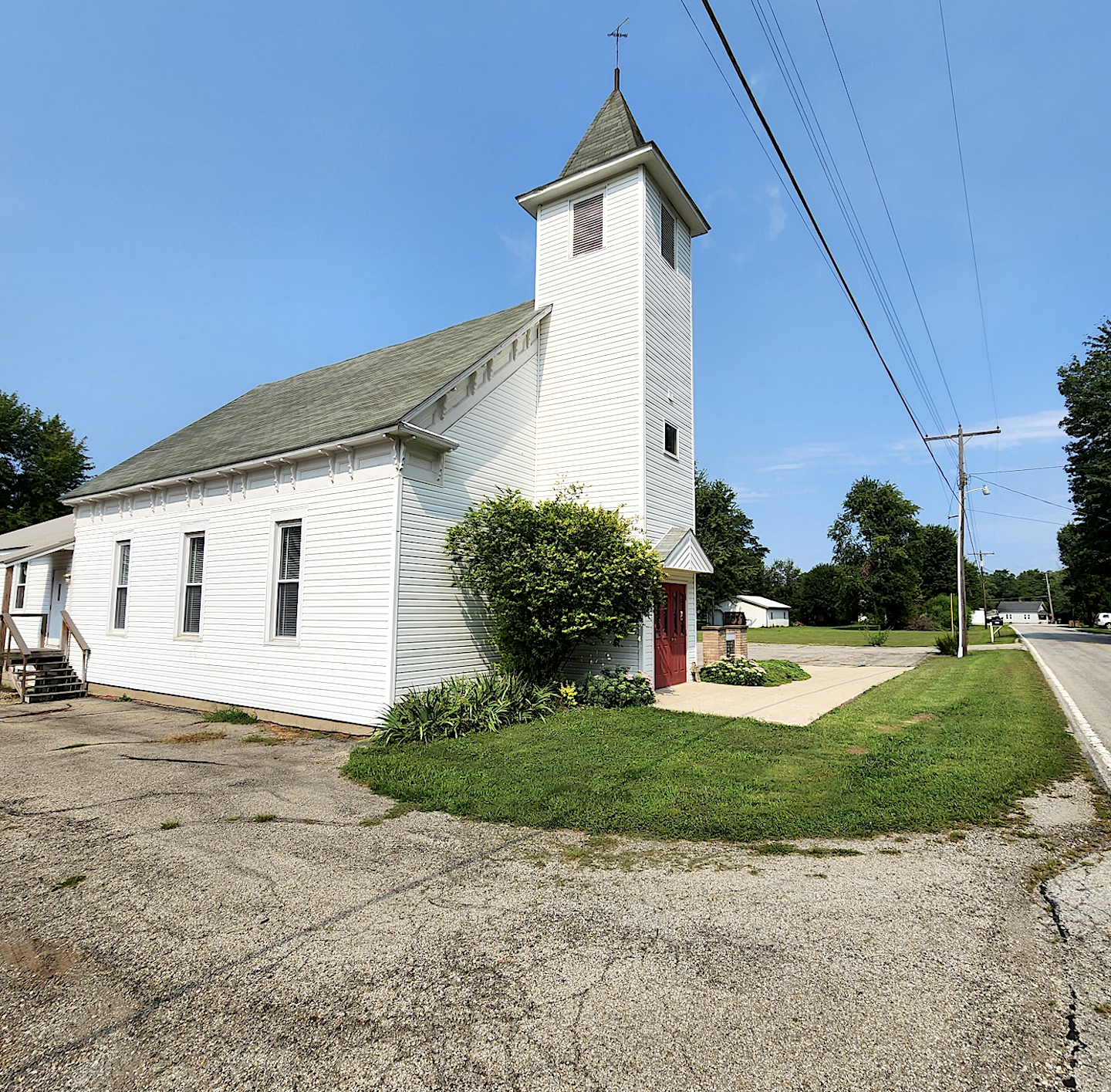
Highland County commissioners heard comments from Cynthia St. Clair and Bill Edenfield at their Aug. 11 commissioners' meeting, who expressed concerns about infrastructure around Sonner Chapel in East Danville.
St. Clair said that “tile and everything that was put in” under the church was installed in the 1930s and has “washed away.”
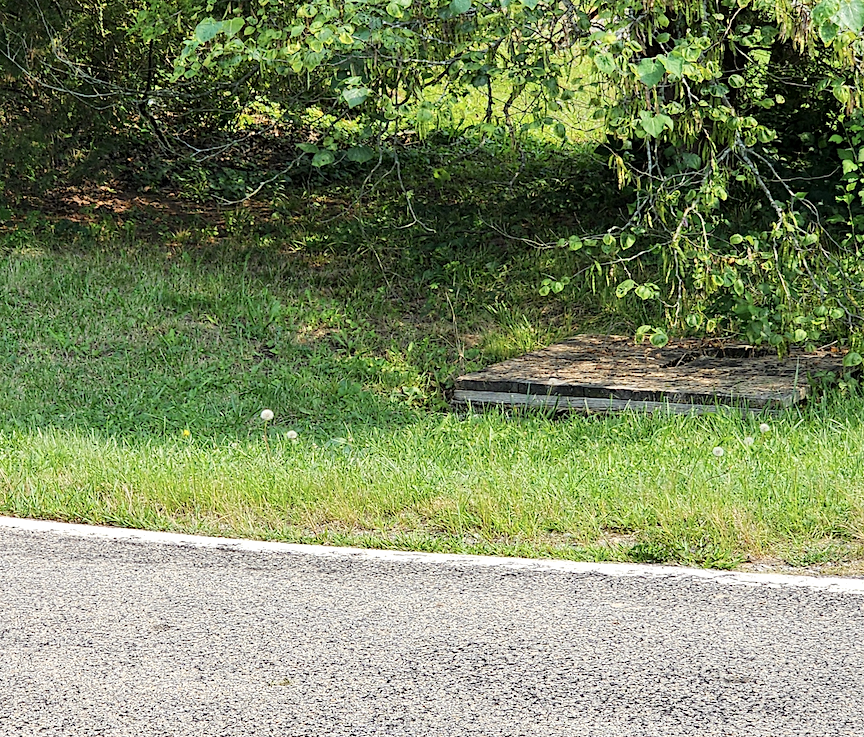
According to Edenfield, “the intersection of pipes” for drainage for Sorg Road are located across the road from the church.
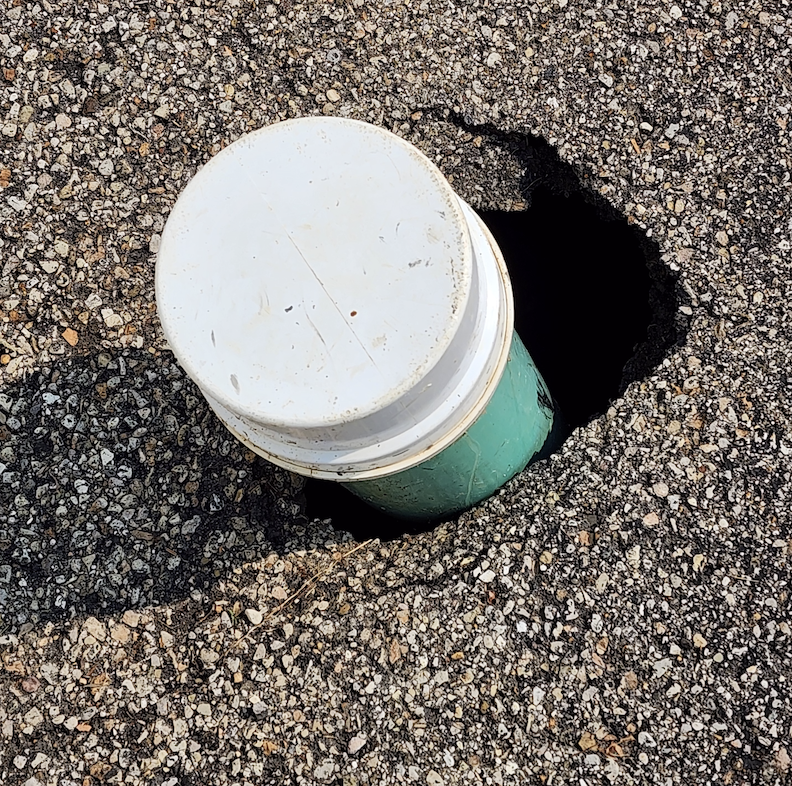
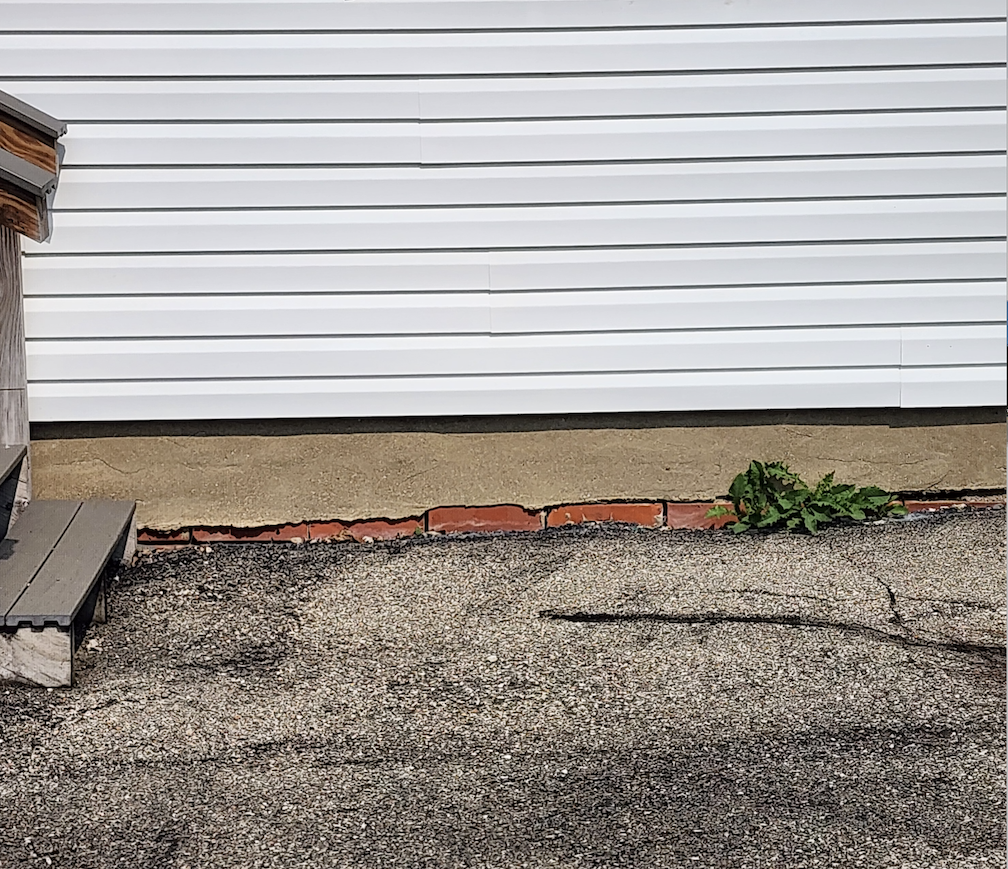
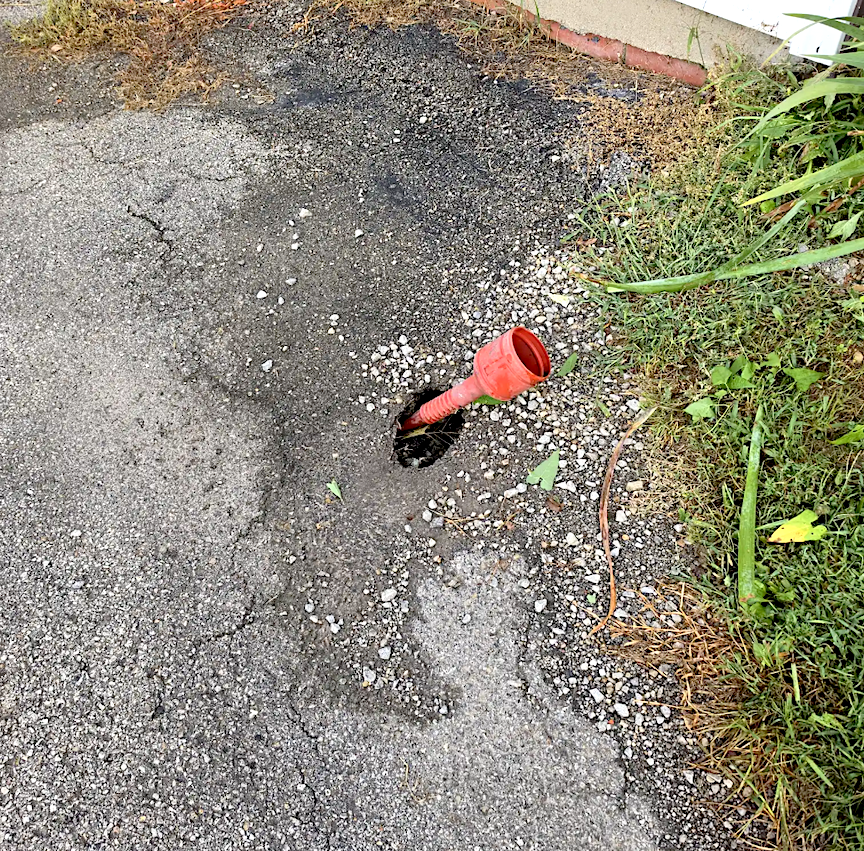
“There is a lid over there that collects water also,” Edenfield said. “It comes through our property at the church for no other reason but to drain the northeast side of Sorg. We get no benefit from it, but it's four feet from our foundation, and it's all undermined right now against the foundation. The blacktop’s going down, so we're going to have a major problem with that building within the year or two, so we're hoping we get some sort of help.”
This week, Edenfield said if the commissioners and county engineer would put it in writing that this is not the county's responsibility, the church could plug the pipe on the church property. He added that this would no doubt cause widespread flooding after a heavy rain.
{• Publisher's note: At Mr. Edenfield's request, The Highland County Press has asked if the county commissioners and county engineer would sign a letter stating that the drainage issue related to the Sonner Chapel property along Sorg Road in East Danville is not the county's responsibility. The public officials were asked Sept. 24: "Will you be willing to do that? Why or why not?" The HCP will report if anyone replies. • As of 5 p.m. Friday, Sept. 25, no public office holder has replied.}
According to Edenfield, the drainage issue is due to runoff from Sorg Road and is coming under Sorg Road onto church property.
"This is the county's responsibility," Edenfield said. "Sorg Road is a county road. The drainage pipe was put in years ago and was no doubt a government project."
St. Clair added that the church driveway “has sunken five inches in a year.
“There's nothing holding up the blacktop for about four to five feet, and it's not too far from the side porch, so it's becoming a risk,” St. Clair said.
This week, St. Clair told The Highland County Press that the issue has only "gotten worse," and said she thought this was a "WPA (Work Projects Administration) project under FDR (President Franklin D. Roosevelt)."
The Works Progress Administration (WPA – from 1935-39, then known as the Work Projects Administration from 1939-43) was a New Deal agency that employed millions of jobseekers to carry out public works projects, including the construction of public buildings and roads. It was set up on May 6, 1935, by presidential order, as a key part of the Second New Deal.
Commissioners said at their Aug. 11 meeting they would see if Highland County Engineer Chris Fauber could investigate the situation to see if anything can be done to mitigate the problem.
This week after being contacted by The Highland County Press, Fauber said the right-of-way on Sorg Road is 40 feet and that the issue is "100 feet or so from the right-of-way," which makes this a private property issue.
Fauber also doubts that this was a WPA project.
"I wasn't around 90 years ago, but I have a hard time thinking a government agency would have done that," Fauber said. "I was also told that this is not the original location of the church."
Fauber added that his office looked up any easements on file and did not find any.
"I want to help people if I can, but this is 100 feet or so off the right-of-way. I did hear from Commissioner Terry Britton about a CDBG (Community Development Block Grant), but it doesn't qualify. I don't blame them for reaching out."
If nothing is done to fix the situation, Edenfield predicts the church may collapse in a year or less.
Ohio Revised Code section 6131 does address the issue, but that is a petition process. See https://codes.ohio.gov/ohio-revised-code/chapter-6131, which states: When the board of county commissioners, at a regular or called session, upon the filing of a petition as provided in sections 6131.01 to 6131.64 of the Revised Code, finds that the granting of the petition and the construction of an improvement is necessary for disposal or removal of surplus water, for controlled drainage of any land, for irrigation, for storage of water to regulate stream flow or to prevent the overflow of any land in the county, or for water conservation, and further finds that the construction of the improvement will be conducive to the public welfare and that the cost of the proposed improvement will be less than the benefits conferred by its construction, the board of county commissioners may locate, construct, reconstruct, straighten, deepen, widen, alter, box, tile, fill, wall, dam, arch, change the course, location, or terminus of, straighten, deepen, remove obstructions from, or widen any ditch, drain, watercourse, floodway, river, creek, or run, or construct any levee, wall, embankment, jetty, dike, dam, sluice, revetment, reservoir, holding basin, control gate, breakwater, or other structure for control of water, or vacate any ditch or drain by proceedings as provided in sections 6131.01 to 6131.64 of the Revised Code.
For more about Sonner Chapel, visit https://www.facebook.com/sonnerchapelchurch/.