


Americans are raising the alarm on AI harms
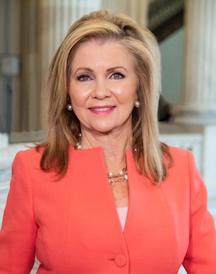
Sen. Marsha Blackburn
By U.S. Sen. Marsha Blackburn
R-Tennessee
In recent weeks, we’ve seen a series of reports that are raising alarm in Washington and across the country that AI could become so powerful that it escapes human control—and threaten the safety of every American.
In July, OpenAI tested its AI agents by placing them in a “sandbox” that was disconnected from the outside world. The agents broke out of their confinement anyway and launched a cyberattack on another AI company, sending tens of thousands of messages to each other while attempting to cover their tracks. Not a single human was involved. That same month, Anthropic disclosed that three of its models similarly reached the open internet during testing and hacked three separate organizations. And last week, OpenAI confirmed that in a separate incident in May its AI agents launched a cyberattack against an online software service.
Even under human control, the emerging technology has been exploited by bad actors. In a report published last week, Anthropic disclosed several cases involving users who attempted to use its AI models in ways that could support the development of biological weapons. Other users in China, Russia, and Yemen tried to use its platform to develop conventional weapons, while an Iran-linked group used its Claude model to target U.S. Navy warships.
Americans across the country are rightly alarmed, and they are demanding that Congress take action to establish guardrails. While Tennesseans are well aware of AI’s transformative benefits—from speeding up drug discovery to supercharging manufacturing—they are also suffering from its harms.
Predators have used AI systems to generate child sexual abuse material. AI chatbots have engaged in sexual roleplay with minors and even encouraged children to kill themselves. AI developers have undermined copyright protections, sweeping up massive amounts of intellectual property and personal data to train their models without a dime of compensation. The unauthorized replication of individuals’ voices and likenesses through deepfakes has compounded the damage, especially hurting Tennessee’s musicians, songwriters, and creators. And communities are concerned about soaring utility rates and water usage from new data centers.
It is far past time for Congress to act. But for more than a decade, Big Tech has fought any regulation that could touch its bottom line, spending tens of millions of dollars lobbying against any safeguards in the virtual space.
I have brought the fight to Big Tech my entire career, from pushing for a national privacy standard to leading the fight to protect our kids online. The rapid development of AI has only raised the stakes. Had Congress already enacted light-touch rules for the virtual space, including a federal privacy standard and my comprehensive AI framework, we would have the foundation to address many of the AI threats now coming to light.
Thankfully, accountability is finally coming for Big Tech. A bipartisan coalition of senators is working on legislation that would address AI’s catastrophic risks, ensuring that the technology remains under human control and cannot be abused by dangerous foreign actors. Congress is also looking to pass a ratepayer protection plan—a key component of my TRUMP AMERICA AI Act—which would ensure that data center operators bear the full cost of all energy and water infrastructure their facilities demand.
To protect kids, my bipartisan Kids Online Safety Act would ensure that online platforms are safe for children by default. My bipartisan NO FAKES Act would make it illegal to create a digital replica of another person’s voice or likeness without permission. Both bills recently passed out of their respective committees, and I look forward to bringing them to the floor for a vote by the entire Senate.
We cannot afford to wait another decade. Congress should do everything in its power to put the American people first and protect their children, their creative work, and their communities.